

Herbs A to Z
Your Herbal Adventure Begins Here.

Agarikon (Fomitopsis officinalis)
Common Names: Ghost bread, tree biscuit
There are many strains of this fungi species around the world. Agarikon has been used medicinally in many cultures for millenia. Indigenous nations in the Pacific Northwest carve masks from Agarikon. Tlingit, Haida, Tsimshian, and others, incorporate Agarikon into ceremonies. Haisla and Coast Tsimshian nations call it “ghost bread,” and Tlingit call it “tree biscuit." A highly endangered fungi, we ensure that we only source Agarikon from cultivated rather than wild sources. Such as from Mycologist Paul Stamets' company Fungi Perfecti / Host Defense. Stamets has led the charge in preserving the mycodiversity of this species.

Alfalfa (Medicago sativa) Leaf
Common Names: Alfalfa, buffalo grass, Chilean clover, purple medic, lucerne
Variously celebrated and ignored, alfalfa nevertheless has a long history of human use. In Chinese medicine, alfalfa has long been used for urinary and digestive imbalances. Records trace alfalfa back to 200 CE to the Han Dynasty, when it was used to soothe stomach ulcers. After alfalfa’s arrival in the United States in the mid-1800s, Indigenous populations began using crushed alfalfa seeds to thicken foods and the tender shoots of the plant as a vegetable. The Ohlone of what is now Northern California have a history of using heated alfalfa leaves as a poultice for easing the pain of ear infections. Some Indigenous nations used alfalfa infusions for jaundice and to encourage blood clotting.
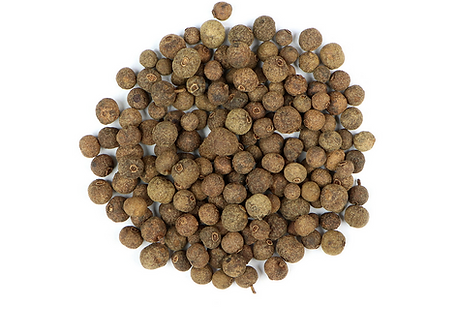
Allspice (Pimenta dioica) Berries
So named because it is reminiscent of clove, cinnamon, and nutmeg all at once, these allspice lends a rich, warm flavor to barbecue sauces, jerk seasoning, gingerbread, and apple pie.

Allspice (Pimenta dioica) Berries, Ground
So named because it is reminiscent of clove, cinnamon, and nutmeg all at once, allspice lends a rich, warm flavor to barbecue sauces, jerk seasoning, gingerbread, and apple pie.
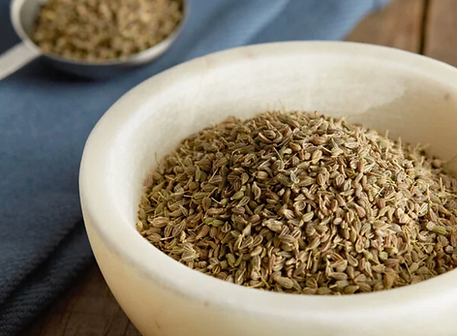
Anise (Pimpinella anisum) Seed
Anise seeds lend a scent reminiscent of licorice. Use whole seeds in tomato sauces, brines, and sweet Italian sausages. The essential oil has a long history of use in flavoring confections, candy, mouth care products, pharmaceuticals, lozenges, tobacco, and alcoholic beverages and cordials, such as absinthe and anisette.

Anise Hyssop (Gastache foeniculum) Leaf and Flower
Common Names: blue giant hyssop, fragrant giant hyssop and lavender giant hyssop
Herbalists use this member of the mint family for culinary purposes, since the leaves make an excellent tea and the flowers are also edible. Native to the north central US, anise hyssop (Agastache foeniculum) is a traditional medicinal plant used by Indigenous peoples. Its leaves have antibacterial benefits that are used to alleviate colds, coughs, and digestion.

Star Anise (Illicium verum) Seed Pods
Illicium verum, also known as star anise, is commonly confused with Anise (Pimpinella anisum). Often likened to a burst of stars due to their unique shape. This ancient spice has an alluring licorice-like aroma and a complex depth of flavor. Originates from southwest China.

Annato (Bixa orellana)
Common Names: achiota
Annatto seeds come from the tropical achiote tree. Their taste is nutty and mildly peppery. As a paste they add depth to Mexico's spicy cochinita pibil and to many Caribbean dishes.

Arnica (Arnica montana, Arnica spp), Flowers
Common Names: Arnica, leopard’s bane, wolfsbane, mountain tobacco, mountain daisy
Arnica’s anti-inflammatory, analgesic, vulnerary, and rubefacient actions are commonly used to ease pain, inflammation, swelling, and bruising associated with fractures, sprains, and contusions. It is renowned for soothing muscular pain from overexertion and is wonderful for athletes or anyone else who has aches from a hard day’s work. Overall, most herbalists advise against the internal use of arnica due to its toxicity and safety issues. The whole plant (including the root) can be used fresh or dried to make topical preparations such as an infused oil, salve, or tincture that can be used externally as a liniment.

Asafoetida (Ferula asafoetida) Root
Common Names: Hing
This Northern Indian and vegetarian cooking staple, also known as hing, is often used as a substitute for garlic and onion. It has a strong, pungent aroma but its flavor is mellow when cooked. Try pairing with turmeric for a leek-like flavor!

Ashwagandha (Withania somnifera) Root
Common Names: winter cherry, withania, Indian ginseng
Ashwagandha translates to “that which has the smell of a horse, as it gives the vitality and sexual energy of a horse." This name alludes to the root’s strong odor as well as its use to restore strength and vitality, and to improve and enhance sexual drive. Rather than working like an aphrodisiac, the root is believed to work gradually over time to lower stress levels that may inhibit the sex drive. Ashwagandha may also support fertility.

Ashwagandha (Withania somnifera) Root, Powder
Common Names: winter cherry, withania, Indian ginseng
Ashwagandha translates to “that which has the smell of a horse, as it gives the vitality and sexual energy of a horse." This name alludes to the root’s strong odor as well as its use to restore strength and vitality, and to improve and enhance sexual drive. Rather than working like an aphrodisiac, the root is believed to work gradually over time to lower stress levels that may inhibit the sex drive. Ashwagandha may also support fertility.

Astragalus, Root, Slices
Common Names: milk vetch, Huang qi
Ashwagandha translates to “that which has the smell of a horse, as it gives the vitality and sexual energy of a horse." This name alludes to the root’s strong odor as well as its use to restore strength and vitality, and to improve and enhance sexual drive. Rather than working like an aphrodisiac, the root is believed to work gradually over time to lower stress levels that may inhibit the sex drive. Ashwagandha may also support fertility.

Astragalus (Astragalus mongholicus) Root, Cut and Sifted
Common Names: milk vetch, Huang qi
Astragalus is an adaptogen and increases the body’s ability to resist and cope with stress (whether physical, mental, or emotional), helping us adapt to the stressor instead of succumbing to it. As a nourishing tonic, astragalus is immune building as well as immune restorative. It is used for rebuilding the immune system after an illness or long-term stress, and helps those in weak, depleted states regain strength and vitality. Astragalus may lend benefit for those suffering post-traumatic stress disorder (PTSD) that leads to frequent infections

Astragalus (Astragalus mongholicus) Root, Powder
Common Names: milk vetch, Huang qi
Astragalus is an adaptogen and increases the body’s ability to resist and cope with stress (whether physical, mental, or emotional), helping us adapt to the stressor instead of succumbing to it (Buhner, 2013). As a nourishing tonic, astragalus is immune building as well as immune restorative. It is used for rebuilding the immune system after an illness or long-term stress, and helps those in weak, depleted states regain strength and vitality (Masé, 2013). Astragalus may lend benefit for those suffering post-traumatic stress disorder (PTSD) that leads to frequent infections

Bacopa (Bacopa monnieri), Leaf and Flower
Common Names: water hyssop, herb of grace, Indian pennywort, thyme-leafed gratiola
Bacopa has a longstanding tradition of use in Ayurveda. It was first described around the 6th century CE in early ayurvedic texts. Bacopa has nootropic properties. The term nootropic refers to herbs and other substances that enhance cognitive function.

Basil (Ocimum basilicum) leaf
Whether it’s to cleanse the blood, act as an anti-inflammatory, or simply to make pesto for an Italian feast, basil can be a valuable staple of an herbalist’s kitchen and a delicious way to ensure continued health.
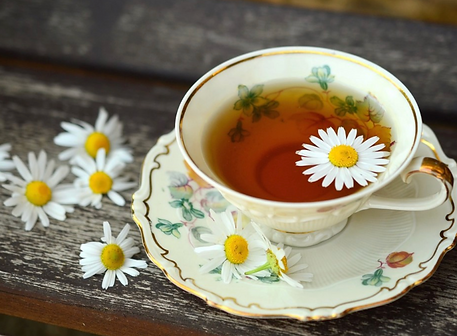
Chamomile (Matricaria chamomilla) Flower
Common Names: camomile, German chamomile, Hungarian chamomile, manzanilla, scented mayweed, sweet false chamomile, true chamomile, wild chamomile
Sometimes called the “plant’s physician,” chamomile seems to help sickly plants growing around it. Chamomile has many uses and a long history of documented use. While it is commonly used to relief stress and insomnia, chamomile has been utilized in many other ways through the ages.

Chile, Adobo (Capsicum annuum)
A type of poblano pepper. A cornerstone of Mexican cuisine, ancho chilies are perfect for making mole, chili, and marinades. Rehydrate to blend into sauces, or toast and grind for spice blends.

Chile, Ancho (Capsicum annuum)
Originally used in Spain and Portugal for curing meat, adobo's rich flavors are delicious with vegetables, too. Often used in Uruguayan mojo sauce and Mexican puerco yucateco. The poblano is a mild chili pepper originating in Puebla, Mexico. Dried, it is called ancho or chile ancho, from the Spanish word ancho (wide).

Bee Balm (Monarda fistulosa), Leaf and Flower
Common Names: Bergamot, Monarda, #6, Oswego Tea
Each name has a very good reason why it was used: Bee balm, since the bees love it; bergamot due to its aroma, which is reminiscent of the bergamot orange; Oswego tea because Indigenous people in the Oswego, NY region use it for teas.

Cardamom (Elettaria cardamomum) Pods, Whole
Elettaria cardamomum as these pods are often called are one of the worlds oldest spices. Try grinding the pods with coffee beans to make the fragrant Saudi coffee, qahwa, or steeping them in milk to make Afghan tea.

Cardamom (Elettaria cardamomum) Seeds
Flowery yet earthy, powerful yet delicate, cardamom has been used in Nordic pastries since the days of the Swedish East India Company. The fullest and most rounded flavor comes from dark, mature seeds. Use them in mulling spices or masala chai, or grind them into fresh powder.

Cardamom (Elettaria cardamomum) Ground
Flowery yet earthy, powerful yet delicate, cardamom has been used in Nordic pastries since the days of the Swedish East India Company. The fullest and most rounded flavor comes from dark, mature seeds.

Calendula (Calendula officinalis)
Common Names: bride of the sun, bull flower, butterwort, common marigold, drunkard, English marigold, field marigold, garden marigold, golding, gold bloom, golds, gowlan, hen and chickens, holligold, husbandman’s dial, mally gowl, marigold, marybud, marygold, mary’s gold, poet’s marigold, poor man’s saffron, pot marigold, prophetic marigold, ringflower, ruddes, ruddles, Scotch marigold, Scottish marigold, summer’s bride, sunflower, throughout-the-months
There are many uses for calendula! Calendula is perhaps most commonly known as a first aid support for cuts and wounds. It’s also used internally as an antimicrobial to help the body resist pathogens such as bacteria, viruses, and fungi. Drinking tea made from calendula can help in the treatment of urinary tract infections. Additionally, the anti-inflammatory properties of the herb make it very soothing on the throat. Simply use calendula tea as a gargle when your throat feels sore. Calendula is found in many skin care products because of its anti-inflammatory, anti-bacterial, anti-fungal, astringent, and vulnerary properties. Calendula is also great for irritated eyes caused by allergies, pool water, dryness, dust, wind, and eye strain.

Celery Seed
Celery seeds are commonly used in sauerkraut, pickling, and in cold vegetable salads, like coleslaw and potato salad. These tiny seeds have a nice mild crunch and a strong flavor. Celery seed provides a strong and familiar celery flavor without the stringy, fibrous texture found in celery stalks. Ground celery seeds are a great spice to add to your sauces or dressings.
More Coming Soon!
Celery seeds are commonly used in sauerkraut, pickling, and in cold vegetable salads, like coleslaw and potato salad. These tiny seeds have a nice mild crunch and a strong flavor. Celery seed provides a strong and familiar celery flavor without the stringy, fibrous texture found in celery stalks. Ground celery seeds are a great spice to add to your sauces or dressings.
Celery Seed
Celery seeds are commonly used in sauerkraut, pickling, and in cold vegetable salads, like coleslaw and potato salad. These tiny seeds have a nice mild crunch and a strong flavor. Celery seed provides a strong and familiar celery flavor without the stringy, fibrous texture found in celery stalks. Ground celery seeds are a great spice to add to your sauces or dressings.
Celery Seed
Celery seeds are commonly used in sauerkraut, pickling, and in cold vegetable salads, like coleslaw and potato salad. These tiny seeds have a nice mild crunch and a strong flavor. Celery seed provides a strong and familiar celery flavor without the stringy, fibrous texture found in celery stalks. Ground celery seeds are a great spice to add to your sauces or dressings.
Celery Seed
Celery seeds are commonly used in sauerkraut, pickling, and in cold vegetable salads, like coleslaw and potato salad. These tiny seeds have a nice mild crunch and a strong flavor. Celery seed provides a strong and familiar celery flavor without the stringy, fibrous texture found in celery stalks. Ground celery seeds are a great spice to add to your sauces or dressings.